


Hello! Welcome to Classics Read Aloud. I’m Ruby Love, and I’m delighted to bring you a curated stream of excellent literature—mostly short stories, and the occasional novel.
The public domain archives are awash in terrific things to read, and I am having immense fun hunting around for the most entertaining of morsels. Please sign up to receive new readings directly to your inbox!
“In the course of that moment he had told everything, and it surprised him dreadfully to find how short a time it took him to tell it.”
The writer Anton Chekhov was also the doctor Anton Chekhov. Between these two worlds, he supported his extended family with the practice of medicine and supported his artistic passions with the pen, declaring, “Medicine is my lawful wife and literature is my mistress.”
Anyone can guess which one he found more alluring.
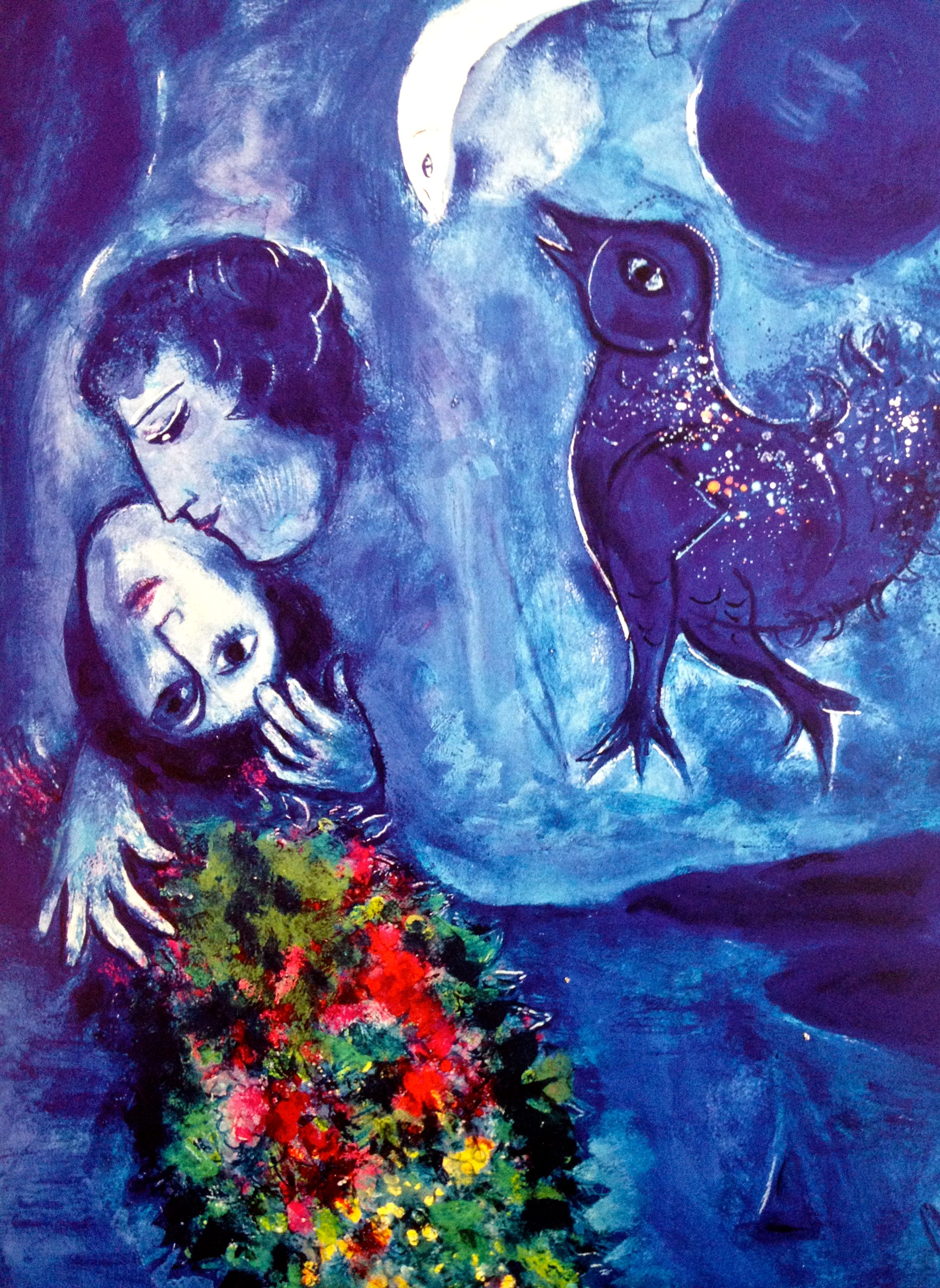
In his short story “The Kiss,” Chekhov aligns our attention with a rather lonely, insecure Russian officer named Ryabovitch. In today’s parlance, you could say the poor guy suffers from “low T.” Through an unorthodox chance encounter, Ryabovitch’s sleeping imagination is sparked, igniting a dormant verve. He suddenly discovers a confidence, albeit fleeting, that he may not, after all, be left out of a normal sort of life. This awakening of the spirit is reflected in a number of small details—the trilling of a nightingale, the tingling sensation, almost of peppermint, on the cheek, the sense of time folding in on itself. That is the very allure of Chekhov’s style…the creative moment emerges from the mundane.
The playwright and critic Maurice Valency remarked of Chekhov, “His great talent lay in his sensitive depiction of life around him, the physical and psychic landscape in which he lived.” While Valency made this remark after, rather derogatorily, declaring Chekhov to have no philosophical point of view, the description is apt. (Although it must be said that Valency himself was known best for his stage adaptations of the work of others…how’s that for a point of view?)
Chekhov certainly had an angle. Once one reads but a handful of his short stories, it becomes abundantly clear that he was burdened with realism and buoyed by romanticism. Indeed, in reaction to seeing his plays continually brought to life as tragedies, he protested with his philosophical prod towards optimism:
“All I wanted was to say honestly to people: ‘Have a look at yourselves and see how bad and dreary your lives are!’ The important thing is that people should realize that, for when they do, they will most certainly create another and better life for themselves.”
I think you’ll agree that “The Kiss” delivers exactly that…a beckoning towards a better life, a more enduring happiness.
Please enjoy…

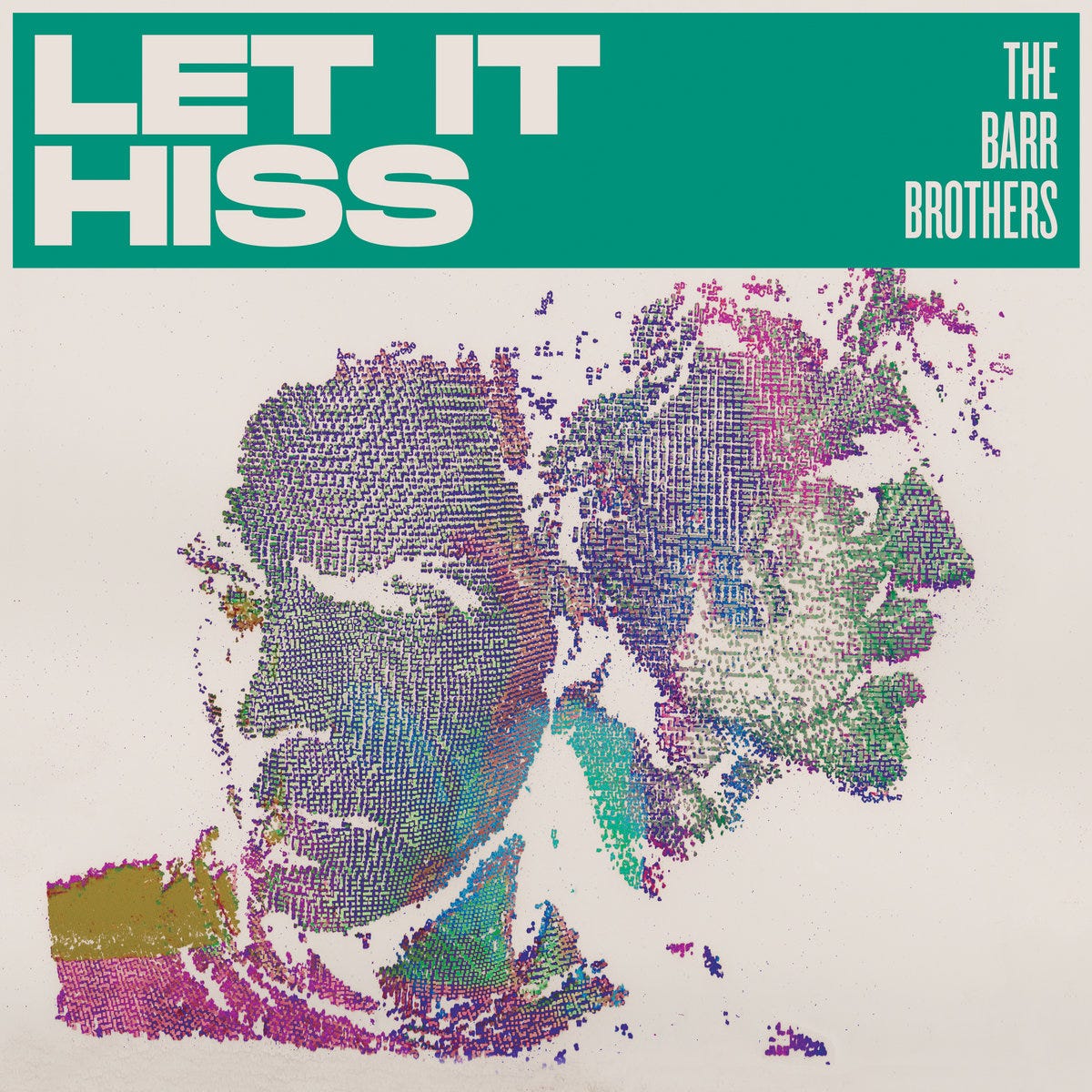
Listening: As our resident music curator put it, Let It Hiss is the best thing from The Barr Brothers in a long time (vinyl and Spotify). I’ve been excited to highlight the album here ever since, and it is pitch perfect to accompany Chekhov’s story. Let It Hiss is an audio, rhythmic simulacrum of the full life cycle of a devastating crush…the initial spark, the sweet, effervescent build, the consuming obsession, the eventual and inevitable unraveling. I’ve had this album on repeat for weeks.
Leaning In: When our oldest son started to develop an interest in wearing cologne, he requested a specific brand as a Christmas gift. We gave it to him along with the advice that the best application is one that can only be detected up close...make it the reward of an embrace, not an announcement of one’s arrival. It took a couple of false starts before the right dose was found.
This jasmine perfume block from SOS Chefs, a source I use primarily for quality spices, is rather perfect at achieving a gentle aroma, being applied simply by rubbing the block against your skin. The scent is subtle, rich, and entirely devoid of migraine-inspiring notes. Unlike teenagers and their cologne, this scent is really just for you.

The Man Who Was Thursday by G. K. Chesterton, 1908
“Quality” by John Galsworthy, 1912
“The Gift of the Magi” by O. Henry, 1905


