


Hello! Welcome to Classics Read Aloud. I’m Ruby Love, and I’m delighted to bring you a curated stream of excellent literature—mostly short stories, and the occasional novel.
The public domain archives are awash in terrific things to read, and I am having immense fun hunting around for the most entertaining of morsels. Please sign up to receive new readings directly to your inbox!
“It was as exactly as through we had disturbed some living yet invisible creatures at work.”
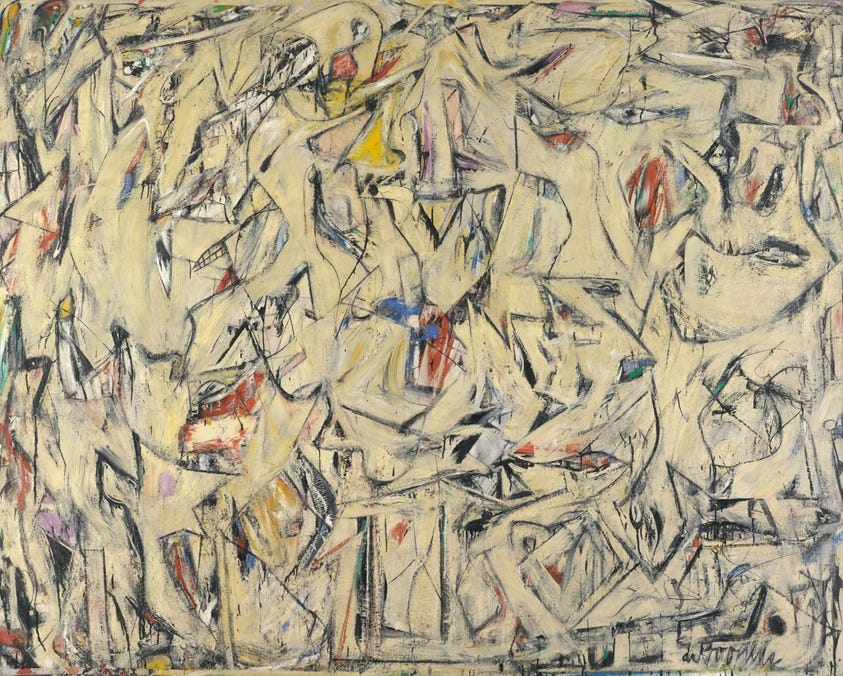
Before J.J. Abrams captivated millions in the TV series Lost, there was The Twilight Zone. And before The Twilight Zone, there was H.P. Lovecraft. And before H.P. Lovecraft, there was Algernon Blackwood, the original “ghost man.”
Blackwood was born into a rigid, fearful philosophy. Raised by Evangelical Calvinists of some influence, he reached the age of twenty-one without having ever seen a movie or held a pack of playing cards, let alone having imbibed in alcohol or cigarettes. He escaped into his imagination and became fascinated with mysticism, Buddhism, and the paranormal.
“The Willows” draws upon Blackwood’s experience canoeing the Danube, long before its waters were populated with Viking River Cruises. The wild setting becomes a forceful character in this gothic horror tale, pulling us towards a stirring crescendo of psychological depth.
Please enjoy…

Stewing: Despite the unnerving escalation of the story, the campers’ stew conjured a craving in my mind for such culinary comforts. There are stews out there for every taste, but I think this one, which relies heavily (and heavenly) on a strong dose of mustard, is well-suited following our visit to the Danube.

Smoking: Blackwood’s popularity blossomed once he began narrating his ghost stories on the radio. While I was unable to find a good quality recording of those original shows, I did come across a marvelous video of the author giving a fireside retelling of “The Reformation of St. Jules”—a story with a terrific turn of an ending that you can tell Blackwood enjoys just as much in the telling as we do in the listening:


