


Hello! Welcome to Classics Read Aloud. I’m Ruby Love, and I’m delighted to bring you a curated stream of excellent literature—mostly short stories, and the occasional novel.
The public domain archives are awash in terrific things to read, and I am having immense fun hunting around for the most entertaining of morsels. Please sign up to receive new readings directly to your inbox!
“At the man’s heels trotted a dog...The animal was depressed by the tremendous cold. It knew that it was no time for travelling. Its instinct told it a truer tale than was told to the man by the man’s judgment.”
Over at Doomberg, where we write about energy as the lynchpin to humanity’s ability to not only survive but thrive (“Energy is Life”), we have often highlighted the concept of “thermal comfort”—the narrow band of temperature conditions in which human life can sustain. It is easy to take such a concept for granted in a world where even the most basic of new cars includes a heated steering wheel and a pair of heated seats. Nonetheless, while human beings are quite hardy in many respects, temperature matters, and exposure to extreme cold has been the death knell for many fingers, toes, and lives.
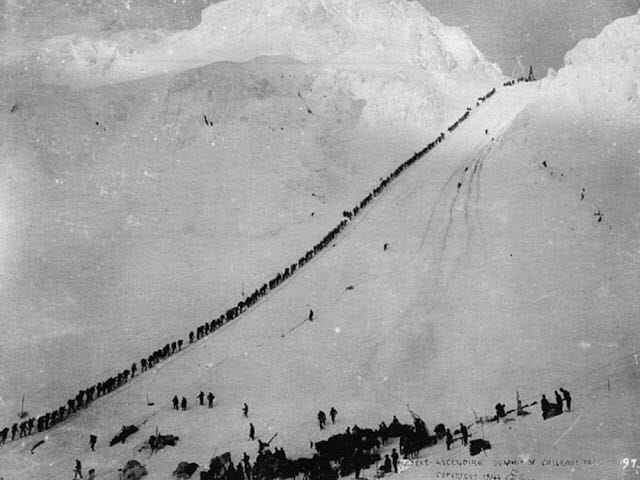
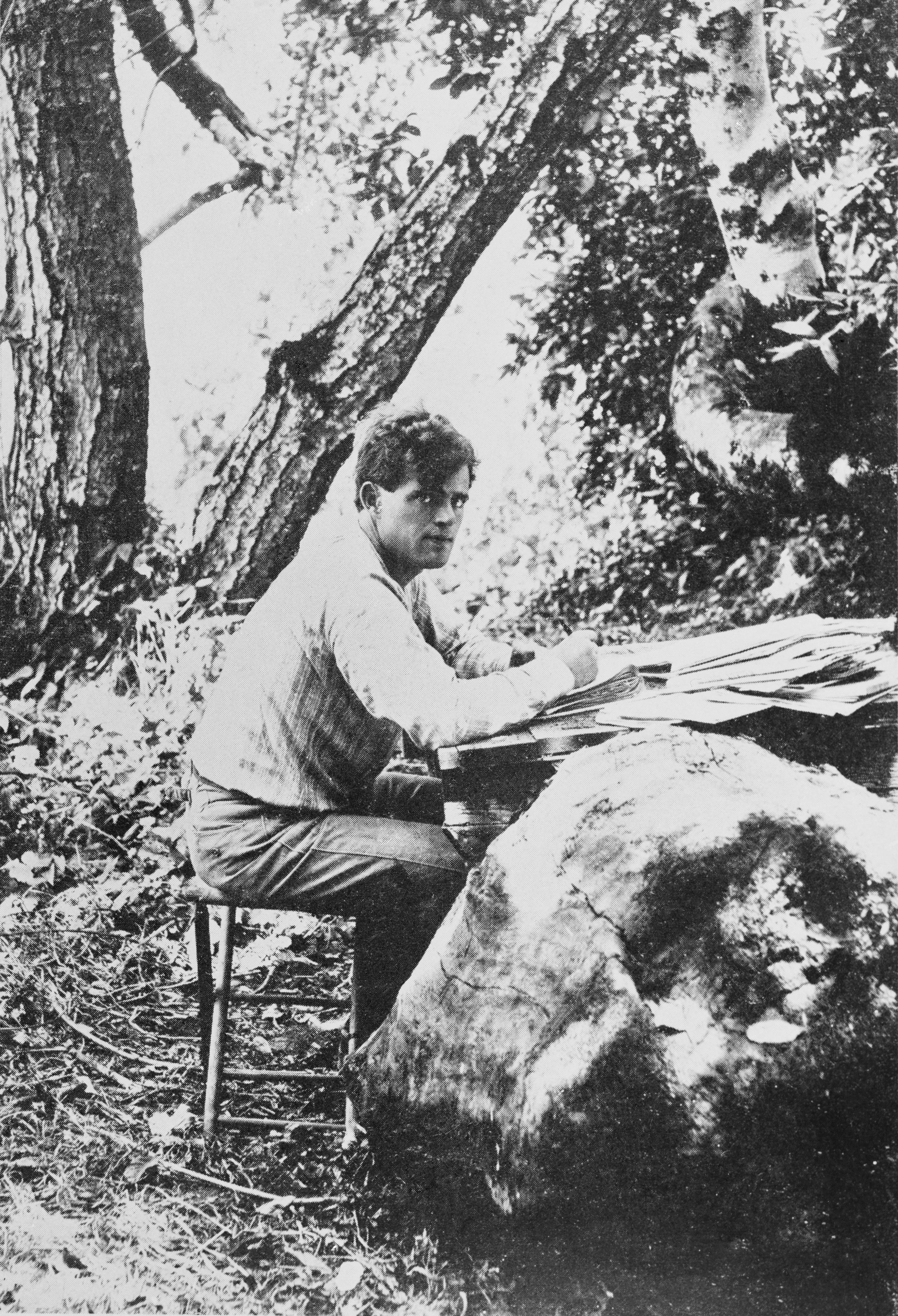
Enter Jack London. London is famous for his narrative work exploring the great north and was an experienced outdoorsman himself, having joined the 100,000 prospectors heading into the frigid wilderness during the Gold Rush of the late 1800s. It was here that he battled the most extreme elements that Mother Nature had to offer, hauling a year’s worth of food and equipment up the viciously steep Chilcoot Pass, into the Yukon, on his way to Dawson City. Temperatures in the region could reach as low as 70 degrees below zero Fahrenheit, and a man’s spittle would freeze midair. Only a fraction of those attempting the journey, all desperate to mine their way to fortune, survived. London’s stories strike so powerfully because he lived them.
“To Build a Fire” follows an unnamed prospector making his way on a similar path. He has separated from the rest of his group, taking a circuitous route to scope out some logging potential for the coming spring. On this simple, quick trip—“he would certainly be with the boys by six”—he is accompanied by his dog, a beast driven by the strong signals flaring in its instinctual core, unclouded by mankind’s hubris.
This is a visceral anthem to the supremacy of Mother Nature that you won’t soon forget.
Please enjoy…

Prospecting: London’s great wisdom of our place in the universal pecking order was hard-earned. Far from the erudite writer scribbling behind the comfort of a quiet library desk, he was a man of the world, of adventure, of risk, and of might. Frankly, he sounds tough as nails.
I so enjoyed learning more about London in preparation for this reading. I recommend this Smithsonian article, which does an excellent job putting his life in perspective.
Digesting: The family dinner table is a great place to impart some wisdom: little bits of culture, philosophy, and other horizon-broadening considerations…and the dark days of winter are a perfect time to take advantage of lingering for something a little thought-provoking. One of our favorites has been Tolstoy’s Calendar of Wisdom, his last major work. The book collects the writings of everyone from Marcus Aurelius to Lao-Tzu, with an entry for every day of the year that includes Tolstoy’s own reflections.

Listening: London and Tolstoy may give us wisdom on the page, but legendary soul singer Mavis Staples offers wisdom through song. The collaborations on her most recent solo album, Sad and Beautiful World, are a reflection of the great respect she has garnered from musicians throughout her 86 years on this Earth, with guest appearances from Bonnie Raitt, Jeff Tweedy, Nathaniel Rateliff, Buddy Guy, and many others (vinyl and Spotify).


“Leave It to Jeeves” by P.G. Wodehouse, 1916
Peter Pan, an excerpt, by J. M. Barrie, 1911
“The Hounds of Fate” by Saki, 1911


